QR codes started as a niche technology in the automotive industry back in the 1990s. But today, they’re everywhere. From restaurant menus and mobile payments, from healthcare to marketing campaigns, QR codes have become an essential part of our daily lives.
But just how big is the QR code industry? Let’s dive into 30+ eye-opening statistics that reveal the real impact of QR codes around the world.
General QR Code Adoption Statistics
- Over 2.9 billion people worldwide are expected to use QR codes by 2025.
- In 2023, 80% of smartphone users reported scanning at least one QR code in the past year.
- QR code usage grew by +323% between 2021 and 2025, according to Wave Connect.
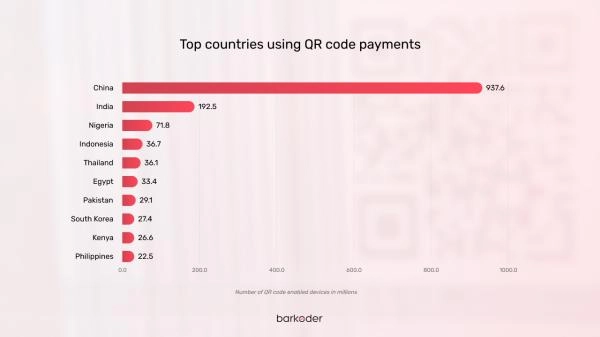
- China leads globally, with more than 87% of mobile payments done via QR codes.
- In the US, 11 million households scanned QR codes in 2023, a number that’s growing yearly.
QR Codes in Marketing
- 57% of consumers say they’ve scanned a QR code from a TV commercial.
- QR codes on print ads increase engagement rates by 30% compared to ads without codes.
- 70% of marketers believe QR codes will remain a long-term part of omnichannel campaigns.
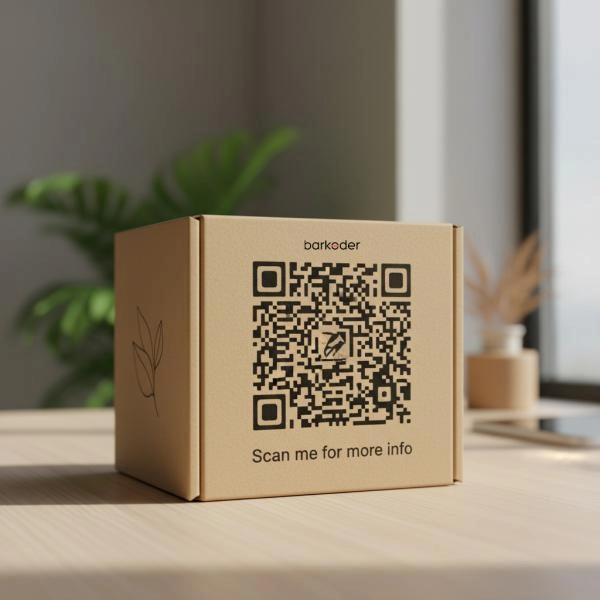
- QR codes on product packaging boost consumer trust by 40%, as customers can check authenticity.
- In retail, QR codes increase coupon redemption by 15% compared to traditional codes.
QR Codes in Payments & Finance
- The global QR code payment market is expected to surpass $35 billion by 2030.
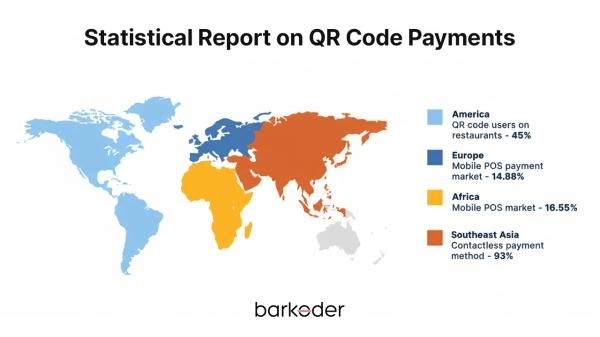
- In India, 40% of all mobile transactions happen via QR code (UPI).
- In Africa, QR payments are growing at +60% annually, helping unbanked communities.
- In 2022, PayPal reported 19% of transactions were completed via QR codes.
- The average transaction made with a QR code takes just 2.5 seconds.
QR Codes in Healthcare
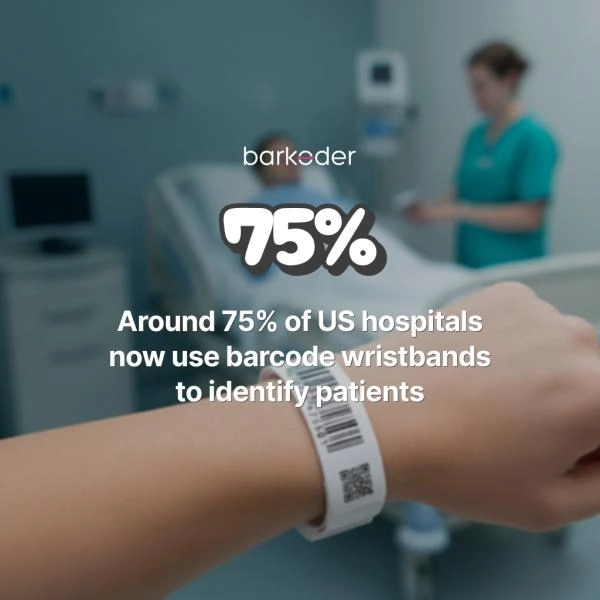
- 75% of US hospitals use QR-coded wristbands for patients.
- Medication errors are reduced by 86% when QR code verification is used.
- Vaccination campaigns now include QR-coded vaccine vials to track doses globally.
- QR codes on lab samples reduce mislabeling incidents by 67%.
- Telemedicine platforms use QR codes for easy patient login, saving an average of 10 minutes per session.
QR Codes and Consumer Behavior
- 73% of Gen Z say they prefer scanning a QR code over typing a URL.
- 66% of millennials scanned a QR code in the last 30 days.
- Only 15% of baby boomers use QR codes regularly.
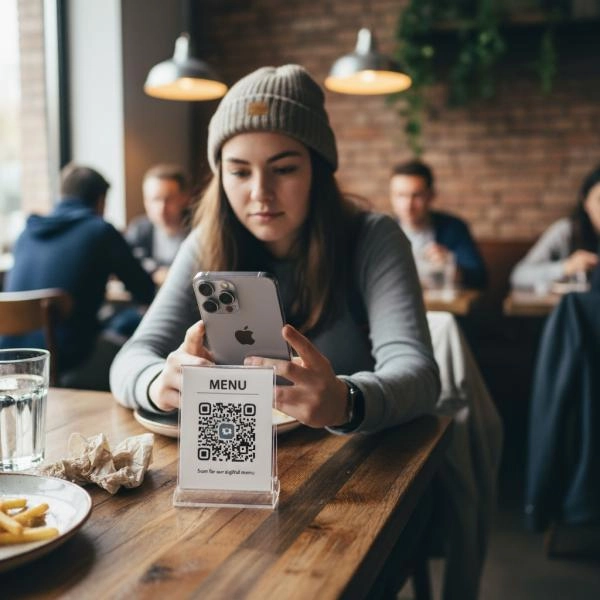
- 82% of restaurant visitors prefer QR menus over physical menus post-pandemic.
- 59% of consumers expect brands to use QR codes for transparency (ingredients, sourcing, etc.).
Fun & Future of QR Codes
- The world’s largest QR code was made in China using 2,500 drones in the sky.
- In Japan, gravestones now feature QR codes linking to family history.
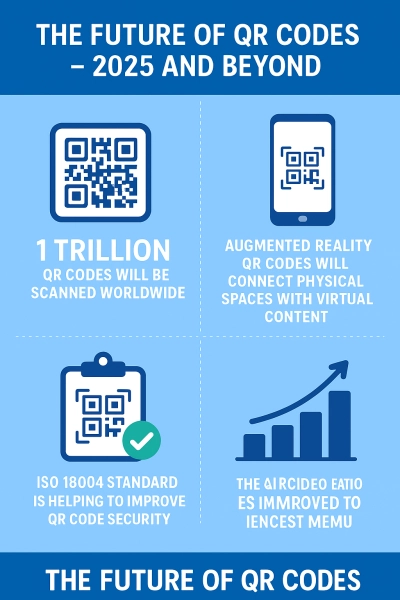
- By 2030, augmented reality QR codes will connect physical spaces with virtual content.
- The global QR code software market is expected to reach $1.3 billion by 2027.
- In 2025, more than 1 trillion QR codes will be scanned worldwide.
Final Thoughts
From medicine to marketing, from payments to daily life, QR codes are everywhere. These 30+ statistics prove that QR codes are more than just black-and-white squares; they’re shaping the future of digital interaction.
And with tools like barKoder, businesses can unlock the full potential of QR codes across platforms with speed, accuracy, and security.